
We may receive a commission on purchases made from links.
雖然有許多中式食譜的味道甚至比外賣還好,但其實完全不需要用外賣經典菜式來重新設計。撈麵是那種我們常與外賣連結在一起的標誌性料理,但這道以麵條為主的最愛起源於中國北方,最早可追溯到漢朝。到了19世紀末至20世紀初,撈麵成為美國外賣的知名熱門美食,這要歸功於大量華人移民與早期香港美國餐廳與麵館的興起。自然地,如今你在餐廳點的撈麵可能與傳統中國式炒麵略有不同,但那些要素如有嚼勁的麵條、鹹香的醬汁,以及可能加入的蔬菜或蛋白質,都是關鍵。
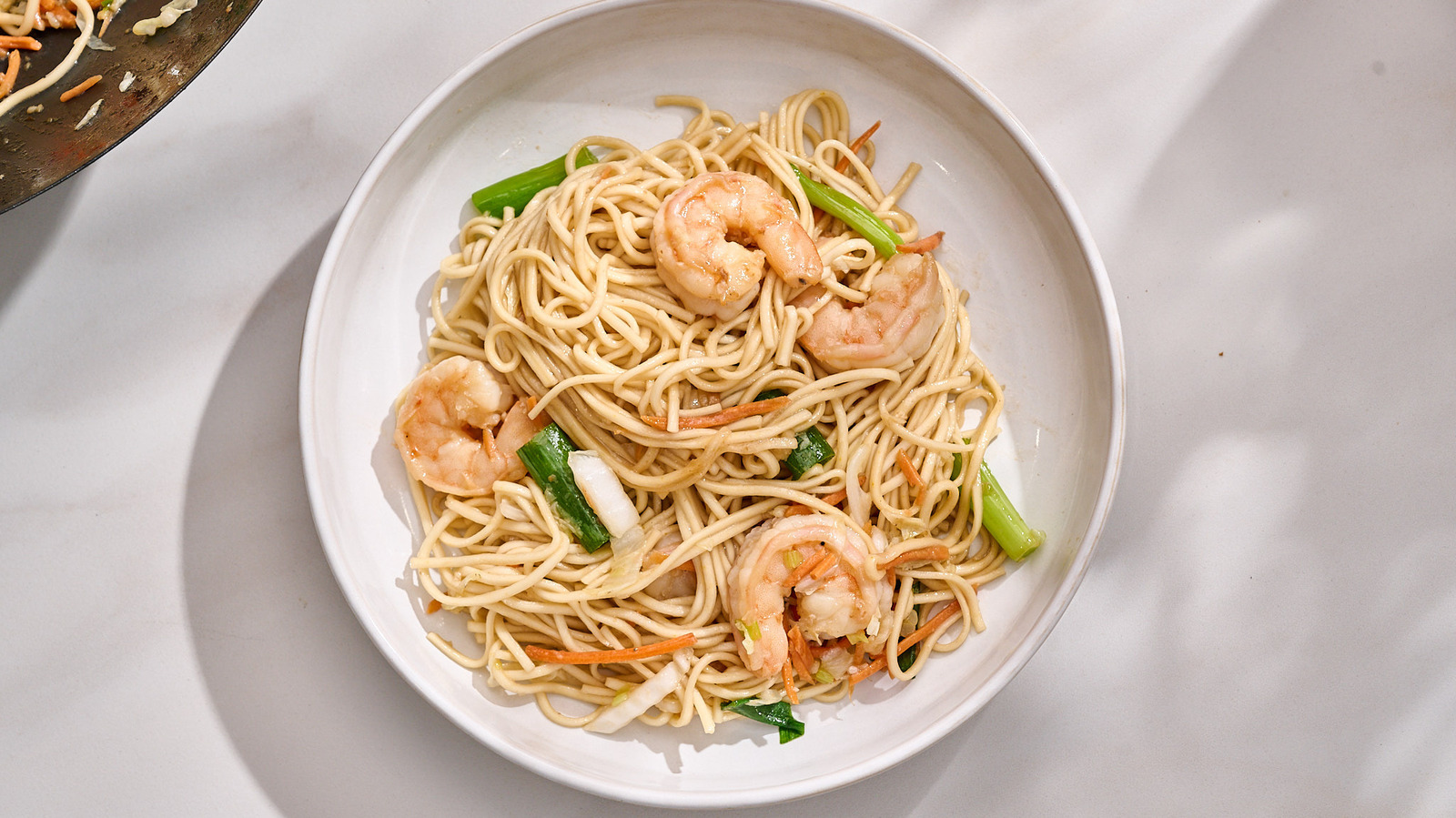
我喜歡在忙碌日子時訂外賣以省時,但其實我更喜歡自己在家煮出新鮮的味道。這道經典蝦仁撈麵的食譜,將外賣的精華帶到家裡的版本——讓我能在與外送大致相同的時間內,品嘗到醬汁包裹、嚼勁十足的麵條、脆口的蔬菜,以及飽滿的巨蝦。這道簡單、令人滿足且鹹香適中的蝦仁撈麵,讓你在家就能享受外賣的經典風味,而無需下單。
Gather the ingredients for classic shrimp lo mein
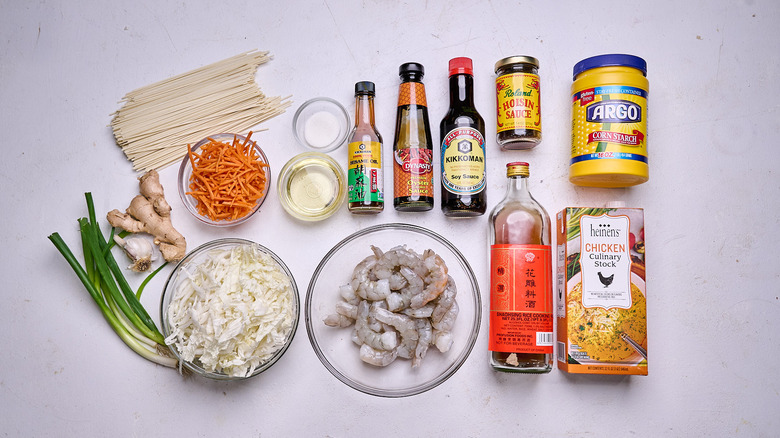
你需先準備蝦仁、紹興酒、玉米粉,以及醬油,用於腌漬蝦仁,待烹調前先完成。接著,炒醬將包含雞高湯、蠔油、甜麵醬、芝麻油、紹興酒、糖和醬油。之後,還需要植物油、蔥、薑和蒜以開炒,並加入切成細條的胡蘿蔔和大白菜以增添口感。最後,也是最重要的食材,是撈麵條,亦稱中國雞蛋麵,它們與義大利麵相似,但較短且質地更有彈性。
Step 1: Marinate the shrimp
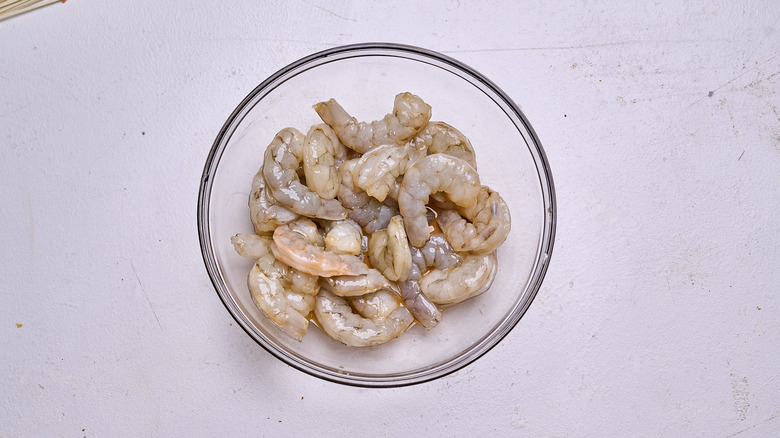
把蝦仁放入碗中,加入1大湯匙紹興酒、玉米粉,以及1茶匙醬油,拌勻使蝦仁均勻裹上醬汁。腌漬10到15分鐘。
Step 2: Boil a pot of water
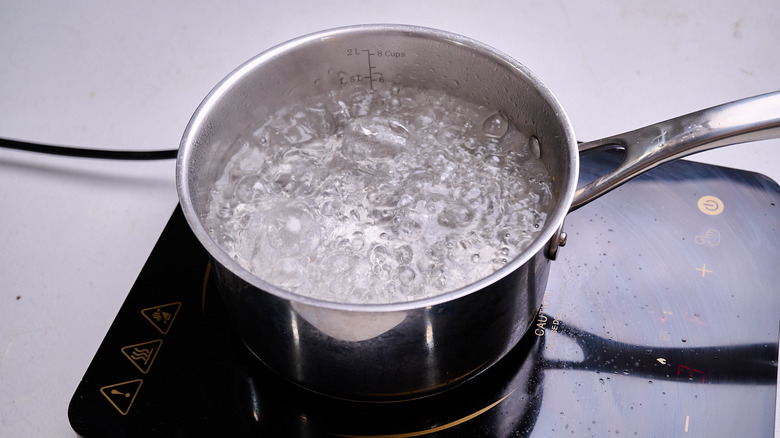
在中火上煮一鍋水至沸騰。
Step 3: Cook the noodles
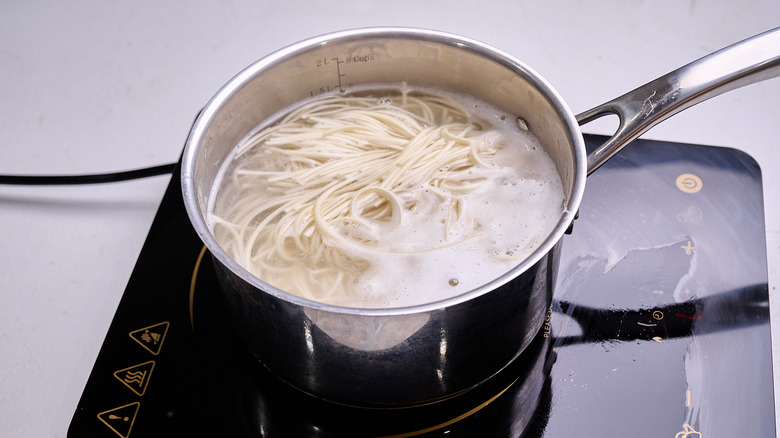
按照包裝說明煮麵條,煮到麵條略微生熟1分鐘左右。
Step 4: Drain and rinse noodles
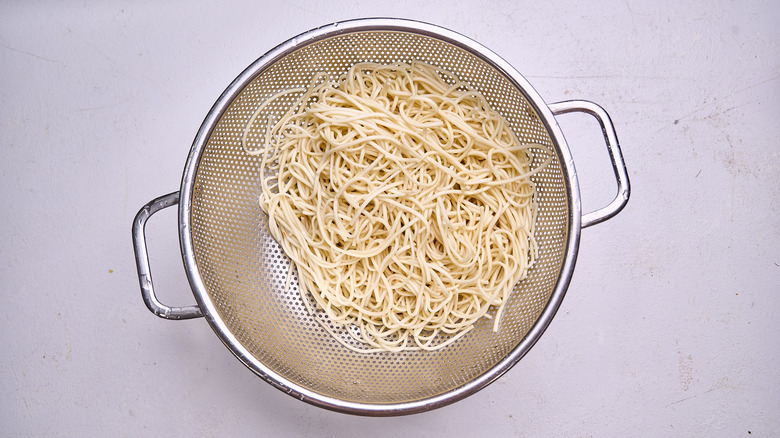
煮熟後,將麵條瀝乾並用冷水沖洗,放在一旁待用。
Step 5: Whisk the sauce together
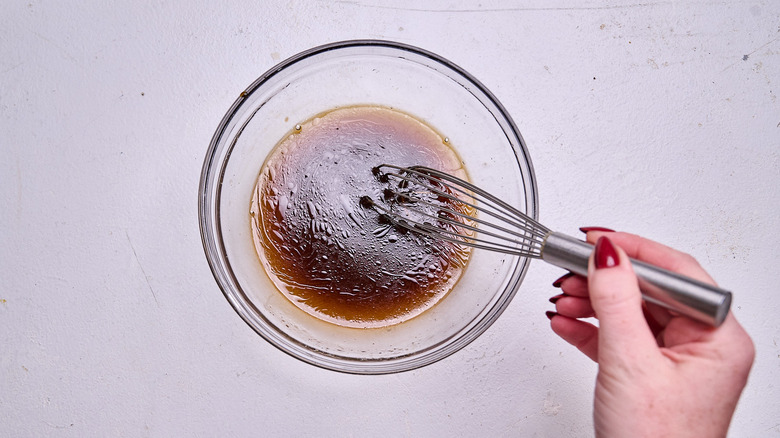
在小碗中將雞湯、2湯匙紹興酒、1湯匙醬油、蠔油、甜麵醬、芝麻油與糖攪拌均勻。然後放置一旁待用。
Step 6: Heat oil in a wok
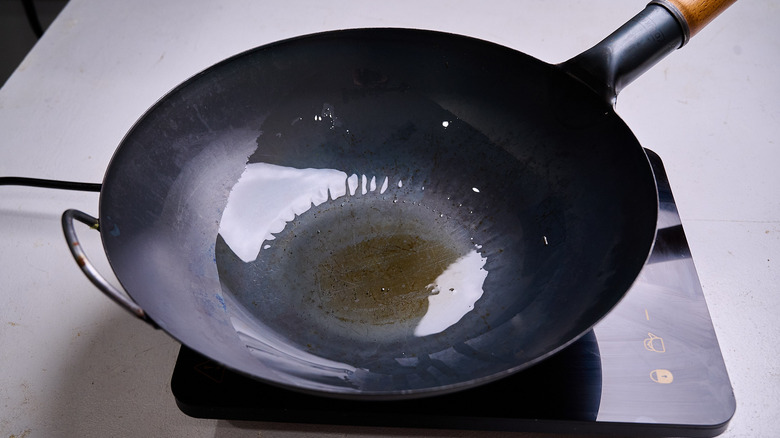
在大炒鍋中以中火加熱1湯匙植物油。
Step 7: Cook the shrimp
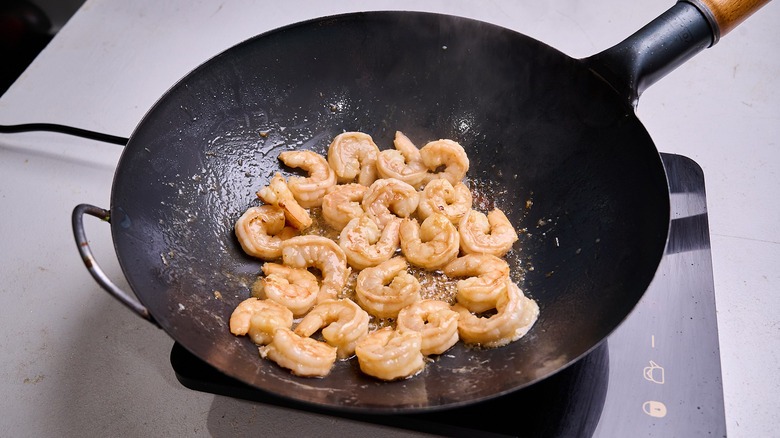
一旦鍋熱,加入蝦仁與腌料,翻炒至變成粉紅色並捲曲,大約5分鐘。
Step 8: Remove the shrimp
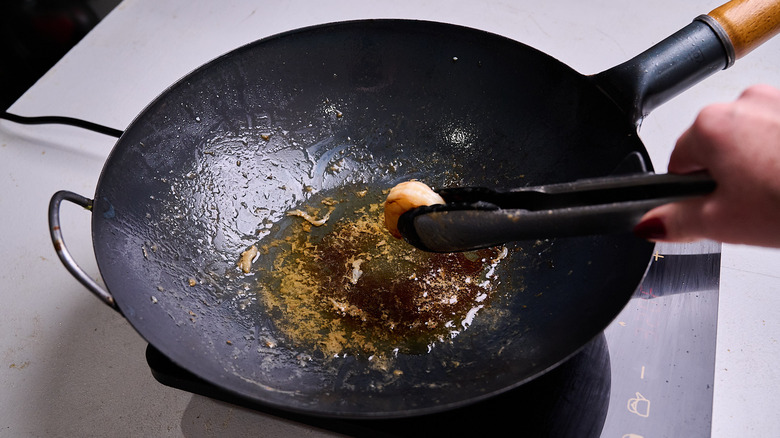
取出蝦仁,加入剩下的2湯匙油。
Step 9: Add the aromatics
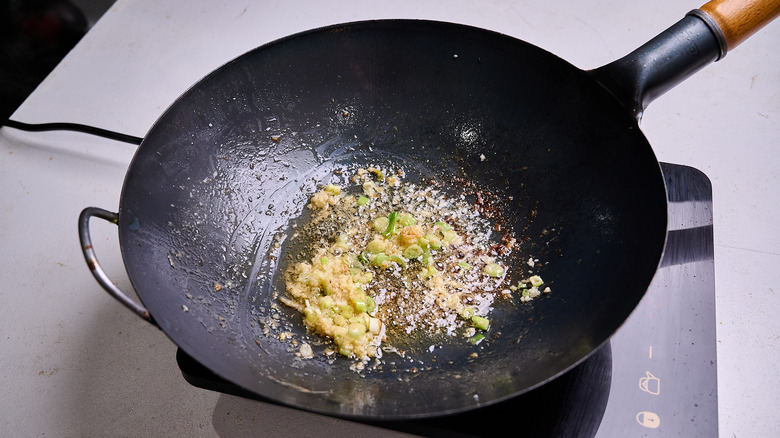
加入蒜、薑與蔥白,煮至香氣四溢,大約30秒。
Step 10: Add the carrots and cabbage
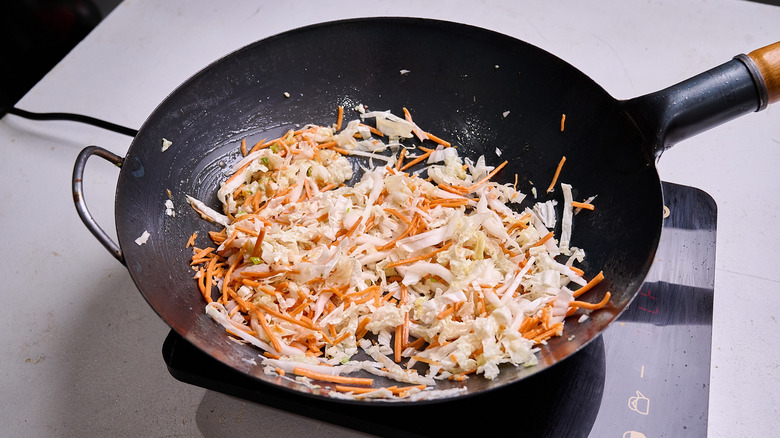
加入胡蘿蔔與大白菜,繼續煮至略微變軟,大約4至5分鐘。
Step 11: Toss in noodles and sauce
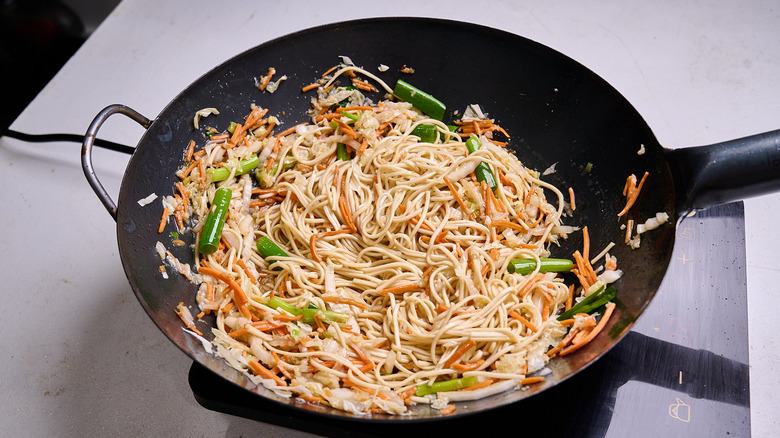
加入麵條、醬汁以及蔥綠,拌炒均勻。
Step 12: Toss in shrimp and serve the lo mein
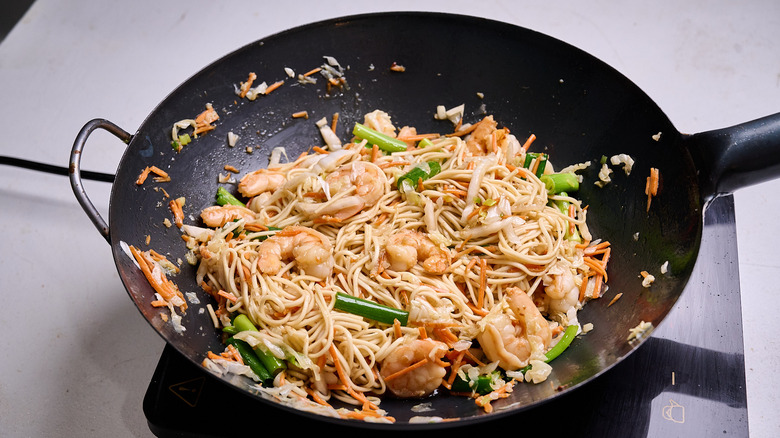
加入蝦仁,拌炒,煮至剛好熱透,即可上桌。
What to serve with shrimp lo mein
Classic Shrimp Lo Mein Recipe
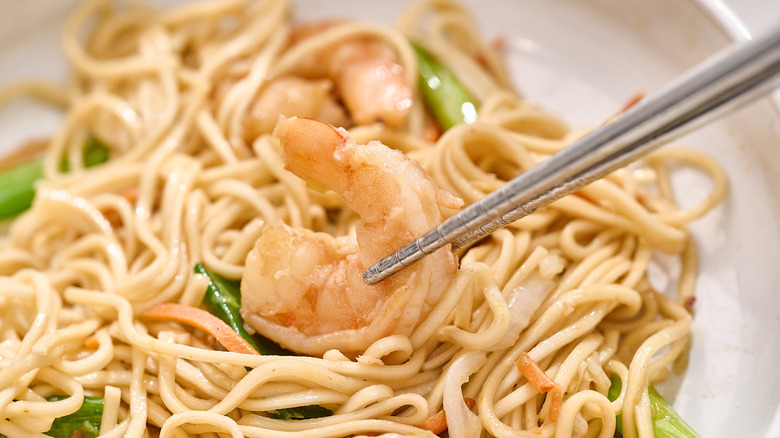
在家就能品嚐到外賣風味的經典蝦仁撈麵食譜,特色是嫩滑的麵條、腌製蝦仁,以及濃郁鹹香的醬汁。
- 1 pound peeled and deveined shrimp
- 3 tablespoons Shaoxing wine, divided
- 2 teaspoons cornstarch
- 1 tablespoon + 1 teaspoon soy sauce, divided
- 8 ounces lo mein noodles (Chinese egg noodles)
- ¼ cup chicken broth
- 2 tablespoons oyster sauce
- 1 tablespoon hoisin sauce
- 1 teaspoon sesame oil
- 2 teaspoons sugar
- 3 tablespoons vegetable oil
- 2 teaspoons minced garlic
- 2 teaspoons minced ginger
- 3 scallions, whites and greens chopped and divided
- 1 cup julienned carrot
- 2 cups shredded Napa cabbage
- Add the shrimp to a bowl with 1 tablespoon Shaoxing wine, cornstarch, and 1 teaspoon soy sauce. Toss to coat, then let marinate for 10 to 15 minutes.
- Bring a pot of water to boil over medium heat.
- Add the noodles and cook 1 minute under package instructions.
- Once cooked, drain and rinse the noodles under cold water. Set aside.
- Whisk together the chicken broth, 2 tablespoons Shaoxing wine, 1 tablespoon soy sauce, oyster sauce, hoisin sauce, sesame oil, and sugar in a small bowl. Set aside.
- Heat 1 tablespoon vegetable oil in a large wok over medium heat.
- Once hot, add the shrimp and marinade and cook until pink and curled, about 5 minutes, tossing while cooking.
- Remove the shrimp and add remaining 2 tablespoons of oil.
- Add the garlic, ginger, and scallion whites and cook until fragrant, about 30 seconds.
- Add the carrots and cabbage and continue to cook until slightly softened, about 4 to 5 minutes.
- Add the noodles, sauce, and scallion greens and toss to combine.
- Add the shrimp, toss, and cook until just warmed through, then serve.
| Calories per Serving | 484 |
| Total Fat | 15.3 g |
| Saturated Fat | 1.7 g |
| Trans Fat | 0.1 g |
| Cholesterol | 230.8 mg |
| Total Carbohydrates | 52.7 g |
| Dietary Fiber | 3.6 g |
| Total Sugars | 6.8 g |
| Sodium | 817.8 mg |
| Protein | 33.0 g |
The information shown is Edamam’s estimate based on available ingredients and preparation. It should not be considered a substitute for a professional nutritionist’s advice.

What are the best noodles to use for lo mein?
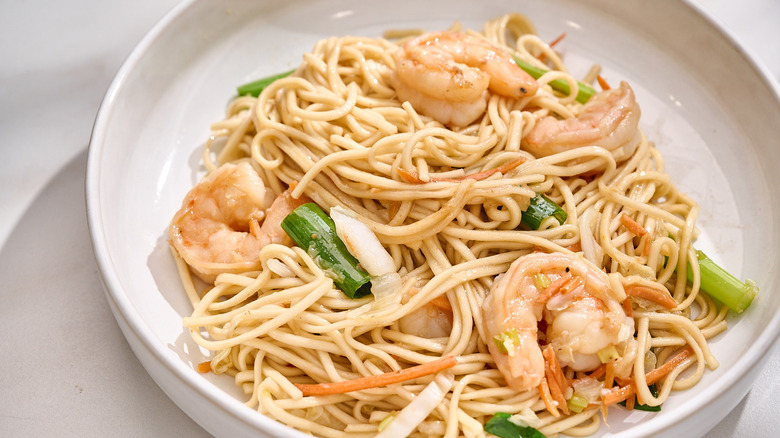
在製作撈麵時,並不一定只能使用某一種麵條,但中國雞蛋麵是最好的選擇之一。這類麵條在形狀與寬度上看起來像義大利麵,但口感較有嚼勁且更有彈性。若能找到新鮮的中國雞蛋麵,強烈推薦使用;乾麵也可使用。新鮮麵條通常在亞洲超市的冷藏區找到,乾麵則多在大多數超市的國際區域,通常標示為撈麵麵條,需多煮幾分鐘;新鮮麵條通常標示為蛋麵,只需在滾水中煮幾秒到一分鐘即可(當然,請依包裝說明操作以取得最佳效果)。
如果找不到專門的撈麵麵條,任何以小麥為基底、長條且細長的麵條也都可以使用。這可以是長形的拉麵、扁平的寬麵,甚至在緊急情況下也可以用義大利麵。不論你選擇哪種麵條,務必要略微未煮熟一些,並以冷水沖洗以防止繼續煮熟。記住,麵條與炒麵混合後還會再煮一段時間,因此目標是避免麵條結成團塊和變得黏糊。
What makes restaurant lo mein different from homemade?
你可能會注意到這道食譜所做出的撈麵與你在餐廳點的撈麵之間有明顯差異,且這不僅是因為製作者不同。差異的重點之一是廚房設備,專業餐廳的設備能達到更高的溫度,且設計成能快速完成炒煮。這種快速高溫的烹飪方式讓麵條、蔬菜和蝦仁可以保持脆口而不被蒸煮,同時發展出微焦、幾乎帶有煙燻風味的口感。
另一個差異在於醬料中可能使用的材料組合,這會因餐廳與家常版本而異。在餐廳撈麵版本中,常見的做法是將醬料混合使用淺色醬油與深色醬油,這會改變整道菜的風味與外觀。深色醬油比淺色醬油濃稠,常常讓菜餚更具鮮味深度,並呈現更深的光澤與顏色。如想讓家常撈麵更接近餐廳版本,可以嘗試加入幾滴深色醬油(不要過量)、用大煎鍋在高溫下快速炒製,並迅速完成,讓麵條保持嫩中帶脆的口感,避免焦黑。