
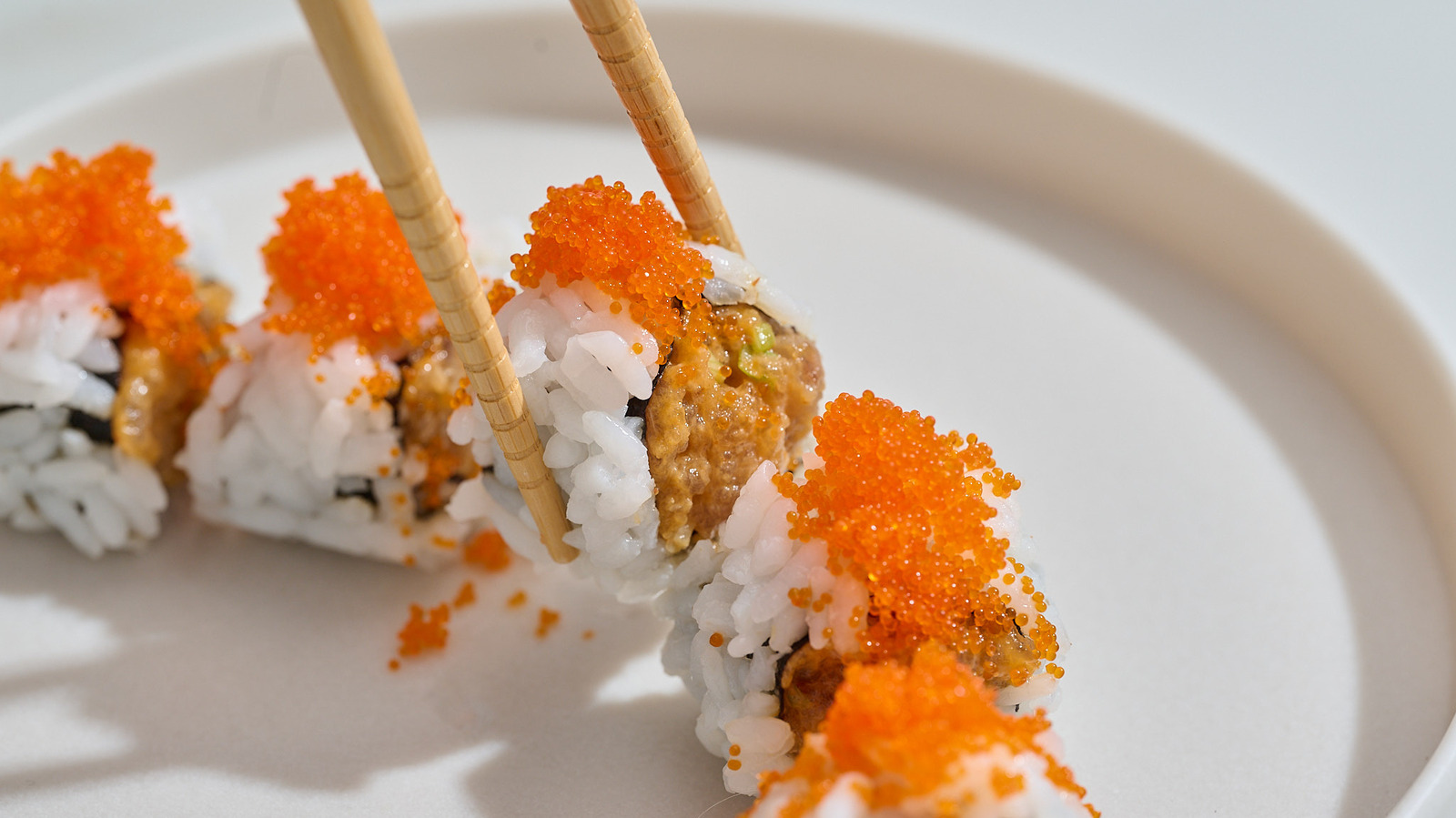
我不太想承認這點,但我在每次走進壽司店時,幾乎都只點同樣的幾道菜。其中之一毫無疑問就是辣味金槍魚卷,這道卷在每一家菜單上都能看到,不論餐廳的裝潢多麼講究。這道簡單的小卷,辣味金槍魚由柔軟的絞碎鮪魚、少量調味料、辣味的 Sriracha,以及緊緊捲起的米飯與海苔外皮組成。它永遠不會讓我失望——幾乎總是以相當實惠的價格提供。
在家自製壽司是一個出乎意料易於入手的過程,並且讓你能自由地為即便是最經典的壽司卷增添大量獨特口味。迄今為止我吃過的最棒的金槍魚卷,風味濃郁、略帶奶油感、恰到好處的辛辣,裡頭塞滿新鮮、嫩滑的鮪魚。於家中,我可以每次都按照我的喜好來做,並在餡料中加入蔥花或芝麻,或把成捲後的卷子灑上酥脆的炸洋蔥或可口的魚卵。這道食譜會一步步教你如何做出完美的辣味金槍魚卷,讓你在自家廚房就能品嚐到你最愛的外賣口味。
Gathering the ingredients to make a classic spicy tuna roll
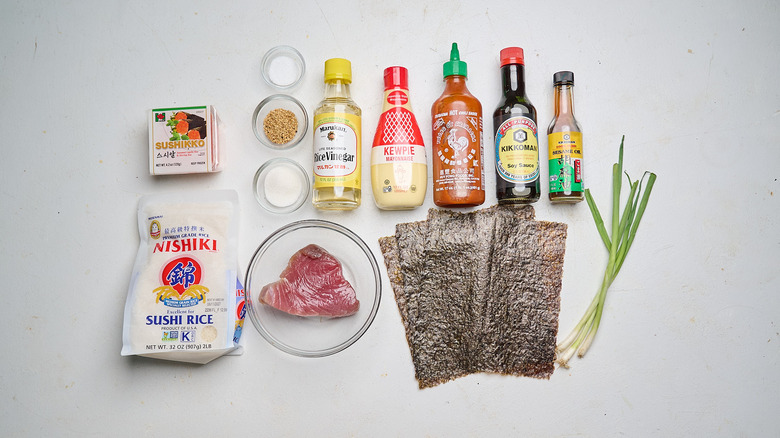
首先你需要壽司米、米醋、糖、鹽,以及作為卷壽司的海苔。壽司米與粘性米不同,因此務必選取標示為壽司米、shari、sumeshi,或日式米的米。至於餡料,你需要新鮮的黃鳍鮪魚、Kewpie美乃滋、Sriracha辣椒醬、醬油、烤香的芝麻油、蔥花,以及芝麻。因為鮪魚不需要烹煮,所以請務必向可信賴的魚販購買標註為「壽司等級」(sushi grade)之漁獲,這意味著它已被閃凍以去除細菌。
Step 1: Rinse the rice
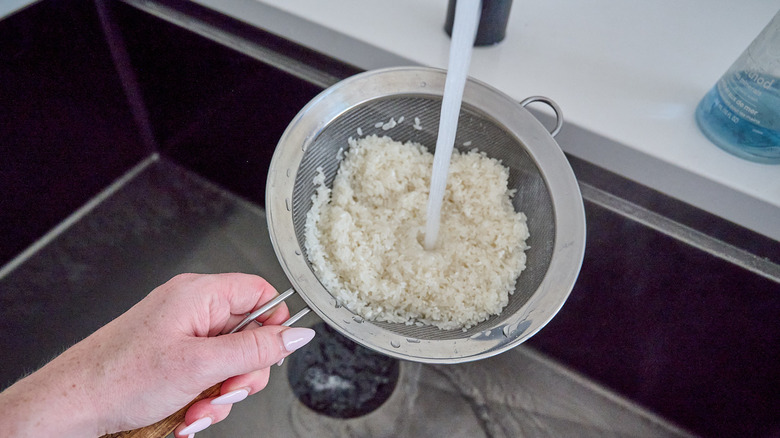
為了準備壽司米,將米放在細篩中沖洗,直到水變得清澈。
Step 2: Cook the rice
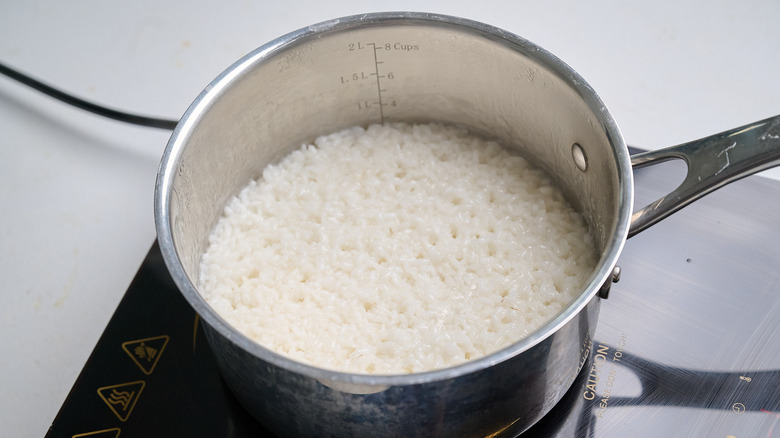
按照包裝說明煮熟米飯。
Step 3: Dissolve the sugar in vinegar
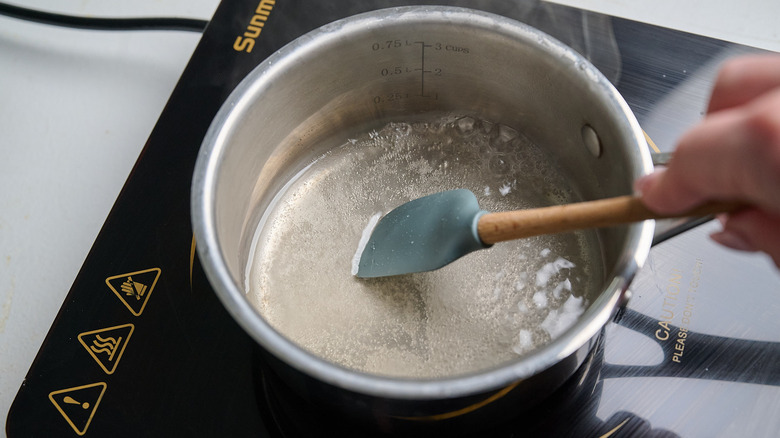
同時,在中等火力的小鍋中加熱米醋、糖與鹽,攪拌直到糖完全溶解,然後離火。
Step 4: Mix the rice with vinegar
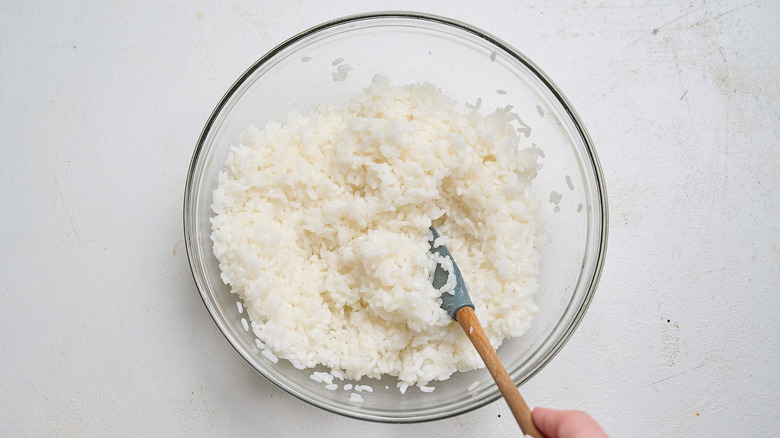
將煮好的米飯轉移至大碗中,並輕輕與醋液拌勻直到米粒均勻裹上醋汁,然後用毛巾覆蓋米飯讓其在準備餡料時冷卻。
Step 5: Chop the tuna into cubes
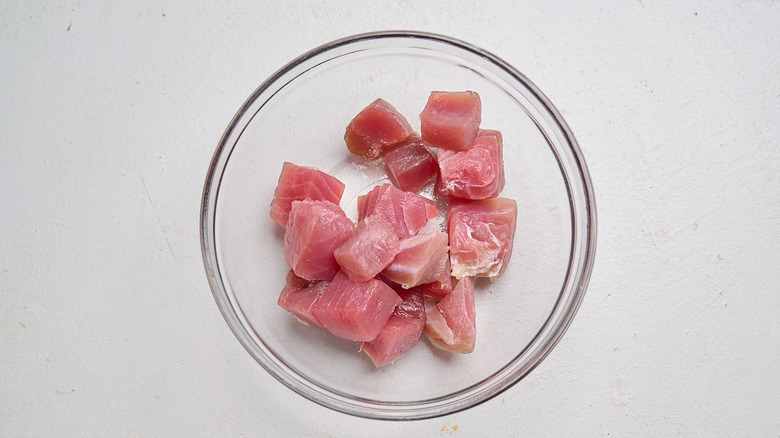
為了準備鮪魚,先把它切成約1英寸的丁。
Step 6: Pulse the tuna until just chopped
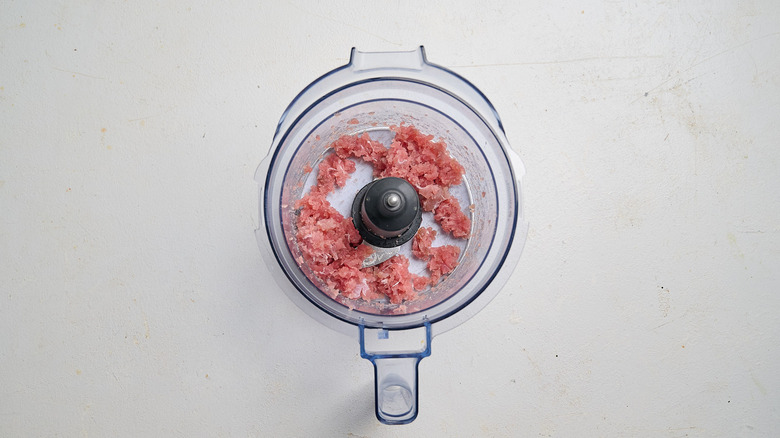
Add the tuna to a food processor and pulse 3–5 times, or until just chopped but not gummy or smooth.
Step 7: Mix the tuna with filling ingredients
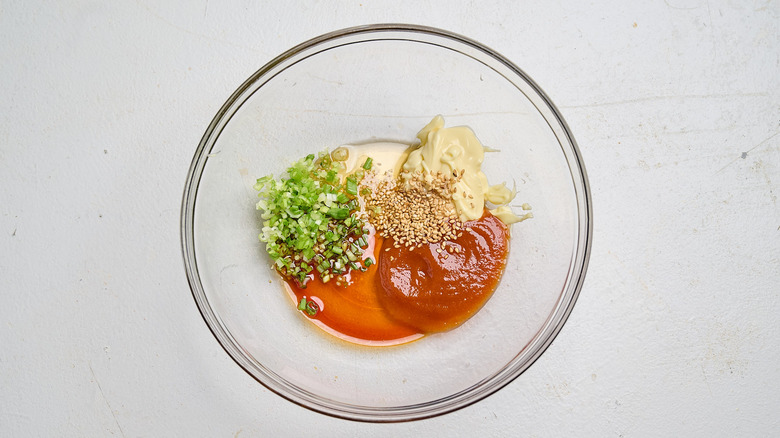
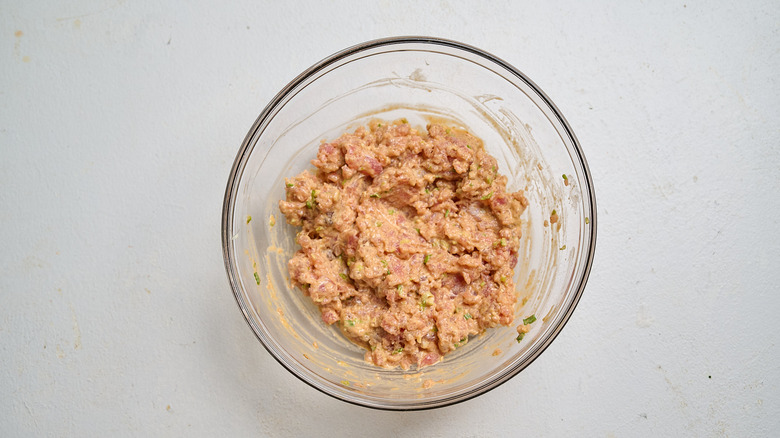
將鮪魚轉移到碗中,加入 Kewpie 美乃滋、Sriracha、醬油、芝麻油、蔥花與芝麻。
Step 8: Combine well
Step 9: Cover a bamboo mat with plastic wrap
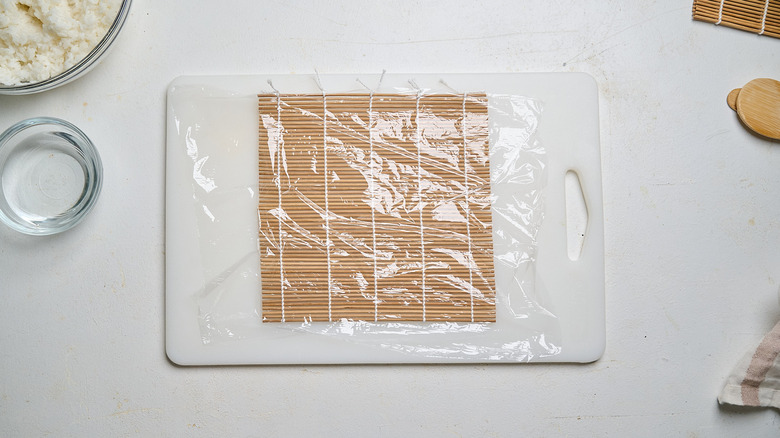
為組裝壽司,將竹簾覆蓋上保鮮膜。
Step 10: Cut a nori sheet
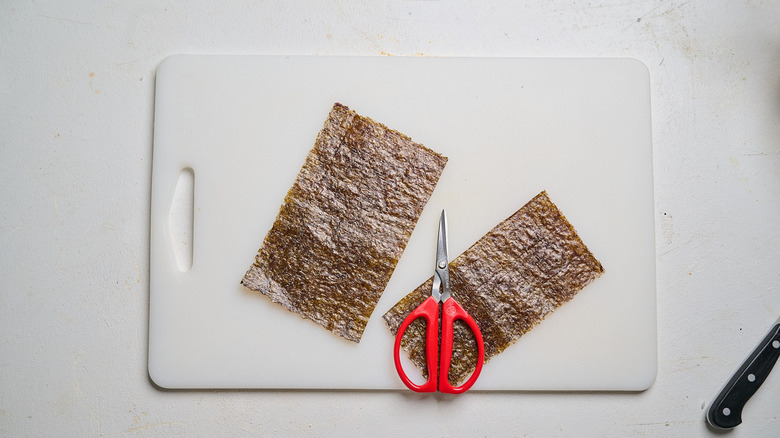
把海苔剪成約4英吋寬(大約可切成4個段落)。
Step 11: Place the nori on the mat
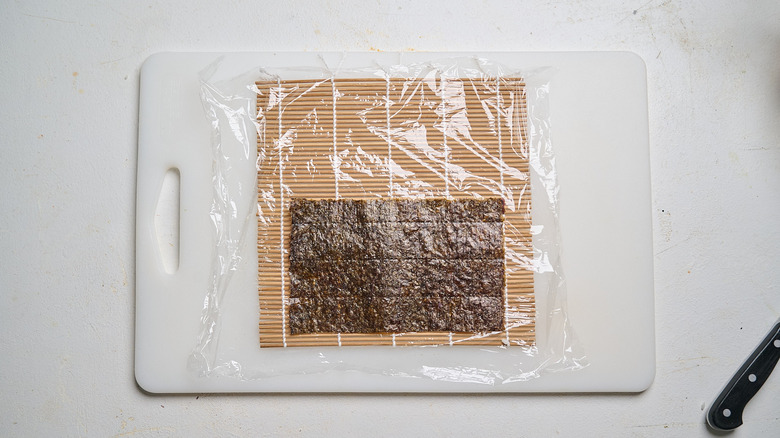
把海苔鋪在竹簾上,光亮面朝下。
Step 12: Layer with rice
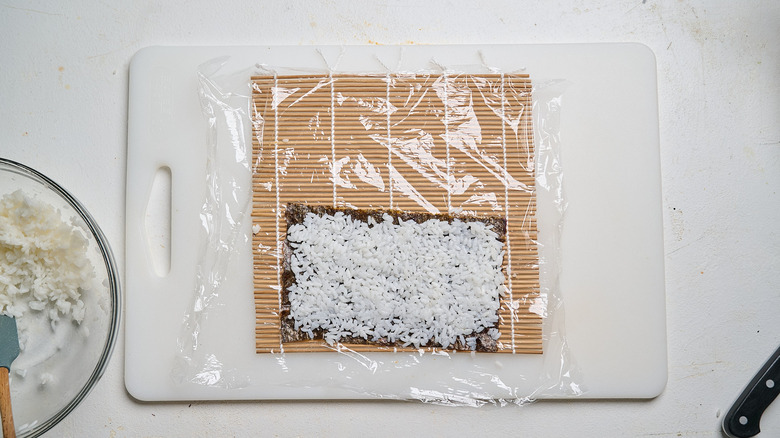
在其上覆蓋一層薄薄的壽司米飯。
Step 13: Flip the nori
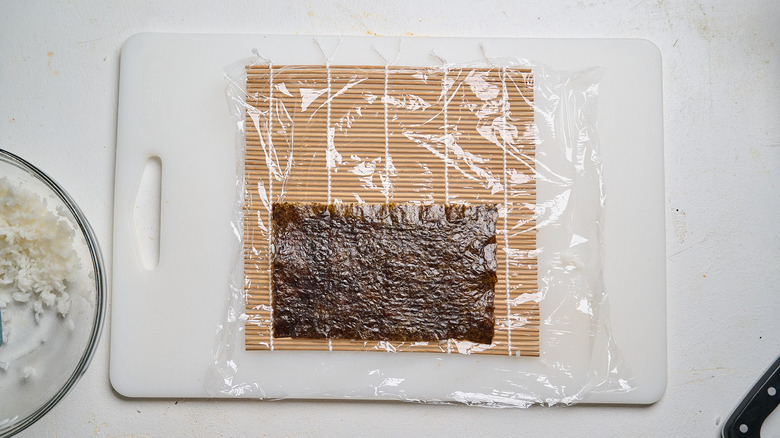
小心地翻轉海苔,使米飯朝下,朝向保鮮膜的一側。
Step 14: Add the filling
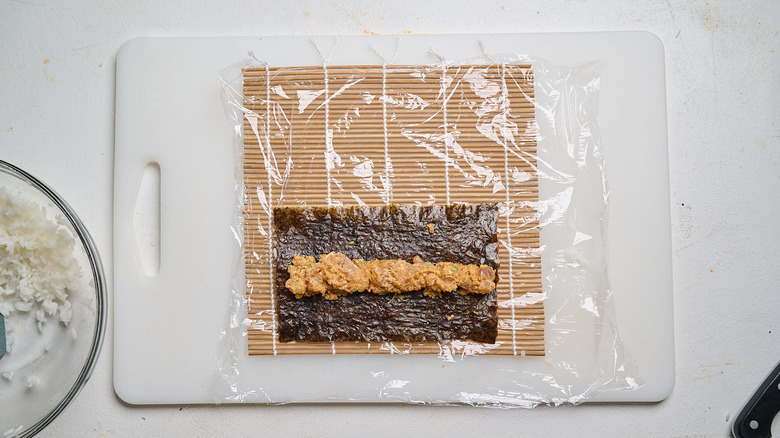
往海苔的中間直線上,舀入約四分之一餡料。
Step 15: Roll the sushi
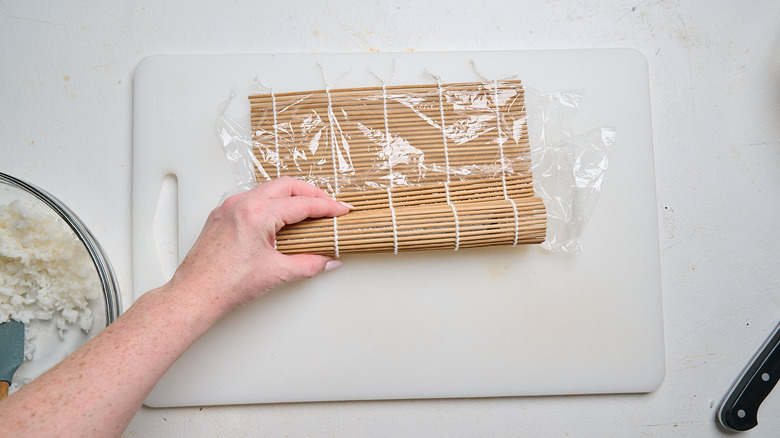
用竹簾把米飯與海苔捲起,捲成一個圓柱形。
Step 16: Slice into 8 pieces
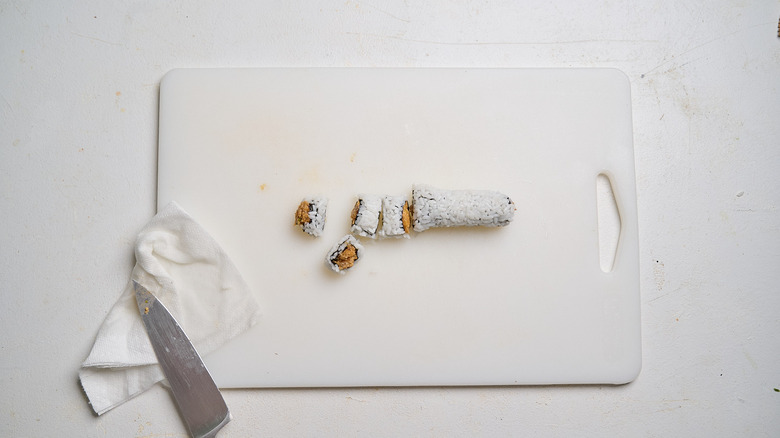
將壽司切成八份。
Step 17: Serve the sushi
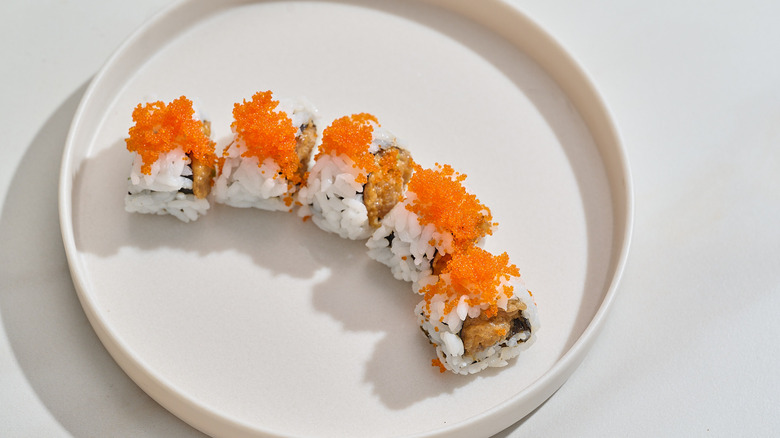
如喜歡,可以在上面加上魚卵作為裝飾後上桌。
What can I serve with tuna rolls?
經典辣味金槍魚卷做法
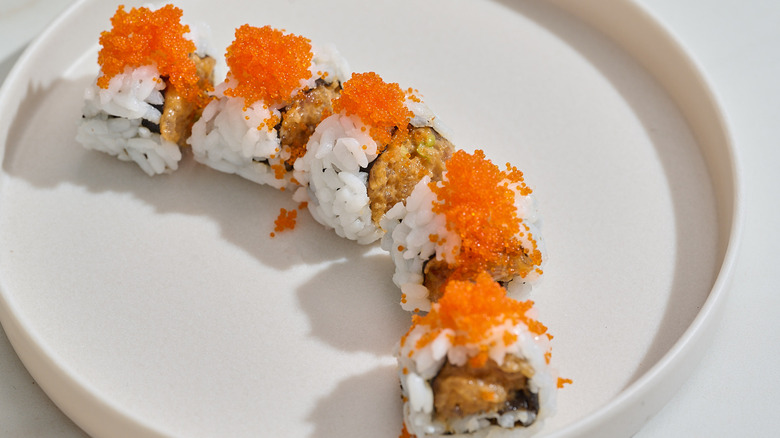
新鮮且嫩滑的金槍魚,在美乃滋與 Sriracha 的奶香辣感中綻放,包裹在調味米與海苔的緊實捲裡,帶出你在家就能輕鬆完成的金槍魚卷風味。
- For the sushi rice
- 1 ½ cups uncooked Japanese short-grain sushi rice
- 3 tablespoons unseasoned rice vinegar
- 1 tablespoon granulated sugar
- 1 teaspoon salt
- For the filling and assembly
- 1 pound raw ahi tuna, sushi grade
- 2 tablespoons Kewpie mayonnaise
- 1 tablespoon sriracha
- 1 teaspoon soy sauce
- ½ teaspoon toasted sesame oil
- 2 green onions, finely chopped
- 1 teaspoon toasted sesame seeds
- 4 sheets nori
- 2 tablespoons Sushikko or tobikko (fish roe), for topping
- To prepare the sushi rice, rinse the rice in a fine-mesh strainer until the water runs clear.
- Cook according to the package directions.
- Meanwhile, heat the rice vinegar, sugar, and salt in a small saucepan over medium heat. Stir until the sugar is dissolved, then remove from the heat.
- Transfer the cooked rice to a large bowl and mix gently with the vinegar mixture until fully coated, then cover the rice with a towel and let it cool while preparing the filling.
- To prepare the tuna, first cut it into 1-inch cubes.
- Add the tuna to a food processor and pulse 3-5 times, or until just chopped but not gummy or smooth.
- Transfer the tuna to a bowl and combine it with Kewpie mayonnaise, sriracha, soy sauce, sesame oil, green onions, and sesame seeds.
- Stir to combine.
- To assemble the sushi, cover the bamboo mat with plastic wrap.
- Cut the nori sheet to about 4 inches wide (or about 4 segments).
- Add the nori sheet shiny side down.
- Cover it with a thin layer of sushi rice.
- Carefully flip the nori so that the sushi rice is facing down, towards the plastic wrap.
- Spoon ¼ of the filling into a straight horizontal line in the center of the nori.
- Use the mat to roll the rice and nori around the filling, creating a cylinder.
- Slice the sushi into 8 pieces.
- If desired, top with fish roe to serve.
| Calories per Serving | 465 |
| Total Fat | 7.5 g |
| Saturated Fat | 1.3 g |
| Trans Fat | 0.0 g |
| Cholesterol | 47.0 mg |
| Total Carbohydrates | 62.1 g |
| Dietary Fiber | 0.3 g |
| Total Sugars | 3.4 g |
| Sodium | 521.8 mg |
| Protein | 33.0 g |
此資訊為 Edamam 根據可取得食材與作法所估算,僅供參考,不能替代專業營養師的建議。

Can I make spicy tuna rolls with the nori on the outside?
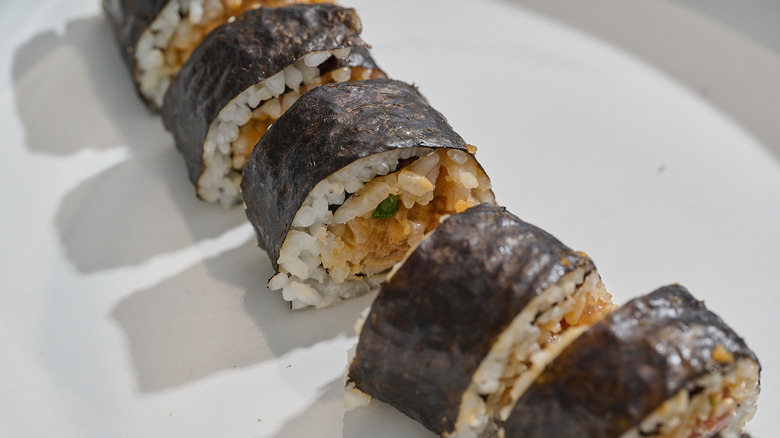
這裡有許多用相同材料但以不同方式排列所能做出的壽司種類。如果把米飯改成在卷外側,便成了內裡朝外的 uramaki,這是一種較高階的技術,因為翻轉、捲起和切割時,調味米易脫離海苔的控制,較難保持整齊。若你在翻轉海苔時遇到困難,可以選擇不翻轉海苔,而直接把海苔放在外側,這樣就成為 norimaki 或 hosomaki。你也可以保留整張海苔形成更大的 futomaki 捲,常被餐廳標示為「特色卷」,並以更多餡料填充。
若要做 hosomaki 卷,只要照原本的做法完成,並在加米飯時於海苔頂部留出一些空間,以便捲起後黏合成穩固的卷。餡料放於中間,然後用竹簾將壽司捲成外層在外的緊實筒狀,靠海苔外露的邊緣封口。接著,只需用銳利的刀將壽司切成小段即可上桌。
What variations can I try with the spicy tuna filling?
在家自製壽司最棒的一點之一,就是卷的內容可以非常自由地客製化。想要經典的脆感,可以在鮪魚旁邊加上切成細長條的黃瓜或胡蘿蔔;想要更鹹香的脆感,可以加入炸洋蔥片或天婦羅碎片;想要更奶油口感,可以加入切片的酪梨或軟化的奶油奶酪。也可以調整餡料本身,增加辣度(多放些 Sriracha)、灑上一點七味或甚至加入辣椒油增添辣香。
你也可以試著用辣味鮪魚餡作為基底,自己動手做出 Futomaki 的特色卷。你可以加入蝦天婦羅、酪梨與黃瓜,打造層次豐富、口感結合奶油與脆感的卷子;或以甜美的芒果片平衡辣味,與酪梨或黃瓜一起組成熱帶風情的甜辣卷。如果你想做更為講究的捲法,還可以擁有更豐富的配料,如薄片酪梨、辣味美乃滋、酥脆洋蔥等,或把米飯的外層裹上飛魚籽( tobiko)作為點綴。