
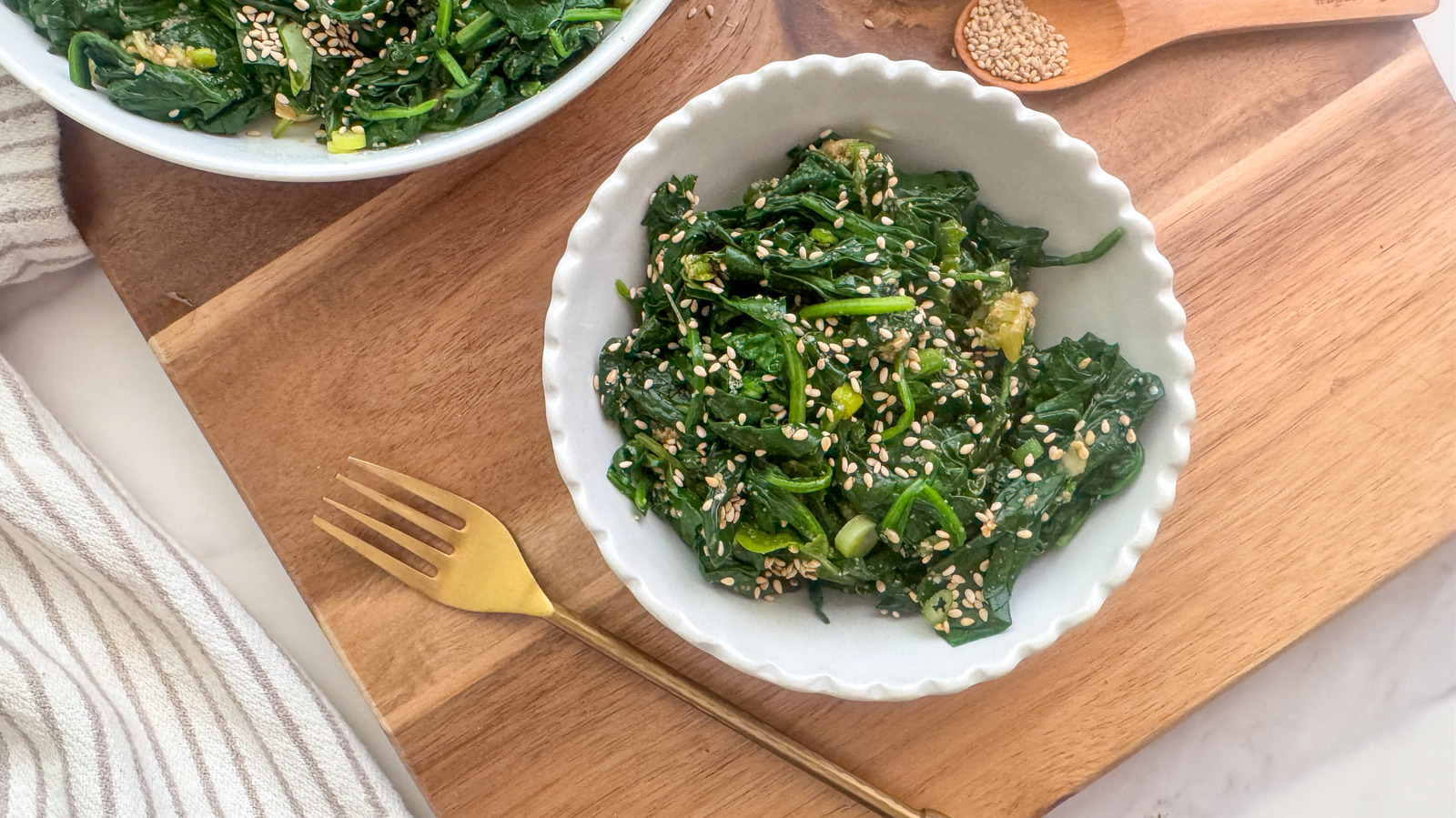
副菜在韓國料理文化中佔有重要地位,因為多數餐點都會以小盤的 banchan 來佈置餐桌。它的趣味在於各式各樣的菜餚共同帶出從辛辣到甜美、鹹香、酸爽等多種風味,同時口感也混搭出脆與軟的層次。泡菜(Kimchi)通常以高麗菜為主,是餐桌上無處不在的元素,但你也會見到各式各樣的 namul,即經過調味的蔬菜小菜。
以嫩菠菜與芝麻為基底的 sigeumchi namul,是我最喜愛的其中之一。讓菠菜保持明亮翠綠的祕訣,是要快速燙熟,然後立即浸入冰水中。我們把部分芝麻研成粉,製成醬汁,這步能讓油脂釋放,並讓醬汁更濃稠,以便更好地裹覆菠菜、帶出堅果的香氣。
我喜歡這道菜的單純與靈活性,整道菜在不到 30 分鐘內即可完成。它具有高度的通用性,可以以多種方式享用,但若要選一種最喜歡的吃法,或許就是把它與蒸米飯與煎豆腐搭成一份以蔬菜為主、同時美味且令人滿足的餐點。
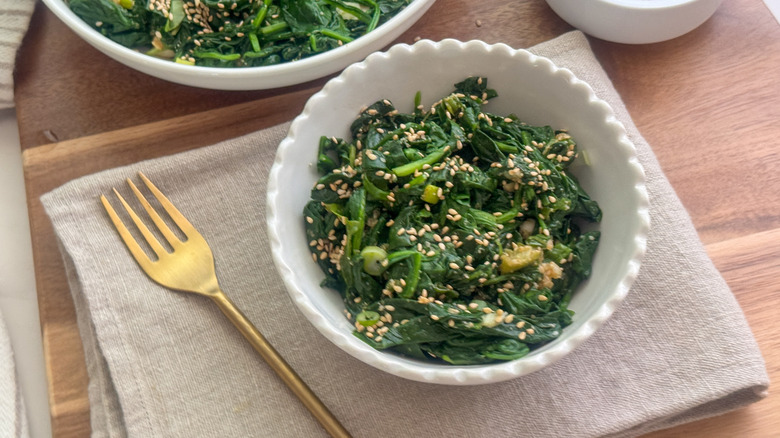
Gather the ingredients for simple sigeumchi namul (Korean Sesame Spinach)
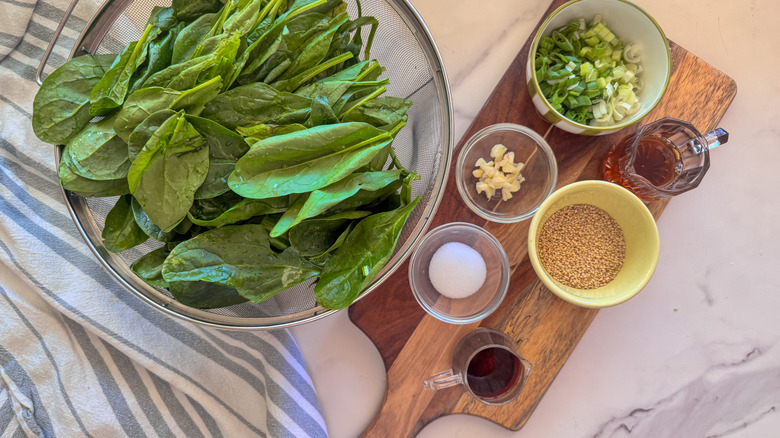
為了這道食譜,我選用新鮮的菠菜束,而非嬰兒菠菜,因為葉片較大且較結實,在燙煮、冰水浸泡與擠乾後仍能維持結實的口感。嬰兒菠菜的葉片較薄,煮熟後較不適合搭配濃稠的醬汁。我不建議使用冷凍菠菜,因為它已被煮過並切碎,風味會因此而流失。大蒜和蔥是韓國料理中不可或缺的兩個要素,兩者都能為醬汁帶來濃烈的香氣與衝擊。此食譜中芝麻香氣以兩種方式運用:烤香芝麻油,以及研碎和整粒搭配的芝麻籽。接著你需要醬油和粗鹽。
Step 1: Bring water to boil
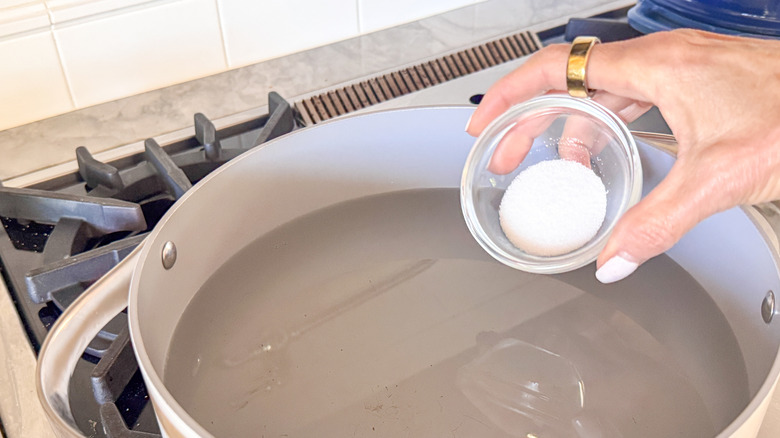
將一鍋水煮沸,並加入1湯匙鹽。
Step 2: Grind the sesame seeds

用香料研磨機短促的脈衝,將2湯匙芝麻籽研成粗顆粒,直到呈沙粒狀,切勿研成糊狀。
Step 3: Fill a bowl with ice water
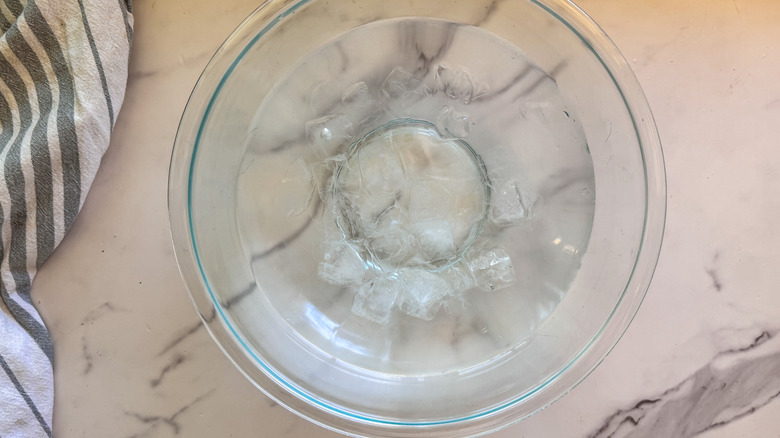
在大碗中裝滿冰水,先放在一旁待用。
Step 4: Add spinach to boiling water
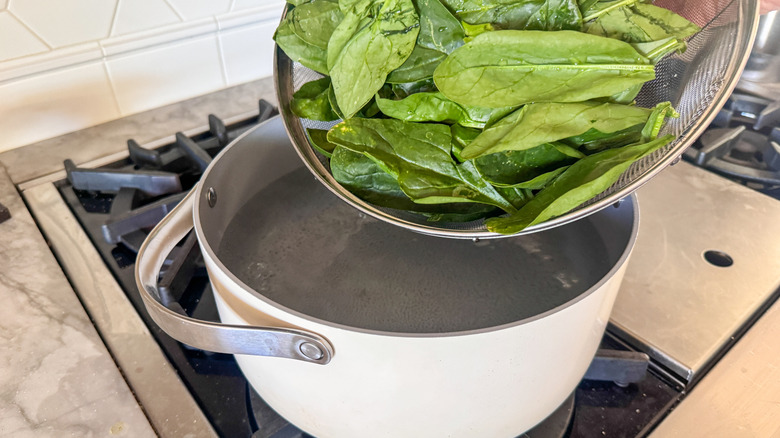
把菠菜加入沸水中,輕輕向下推入水中,煮 30 至 45 秒,直到葉子萎縮且顏色變成亮綠。
Step 5: Add spinach to the ice bath
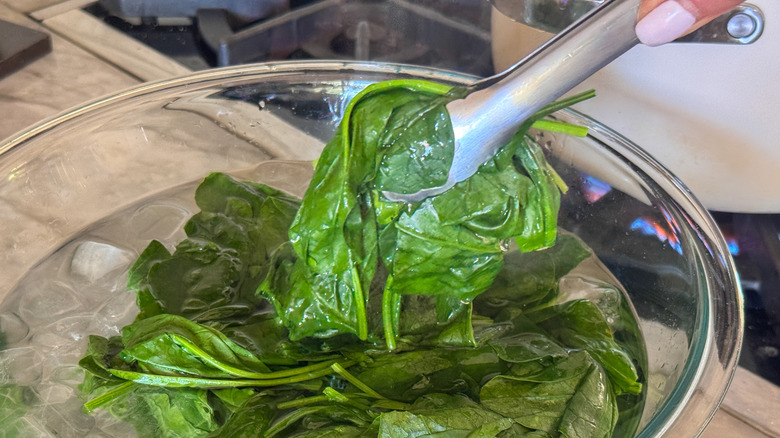
用夾子將菠菜立即放入冰水中,攪動至冷卻為止。
Step 6: Drain the spinach
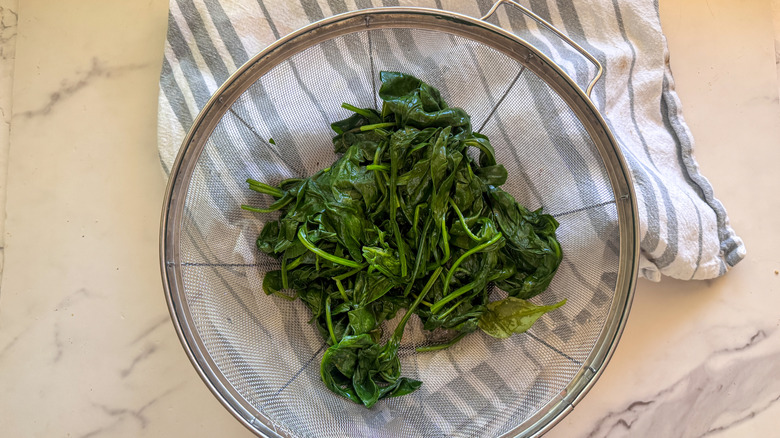
將菠菜在濾器中瀝乾。
Step 7: Squeeze the spinach dry
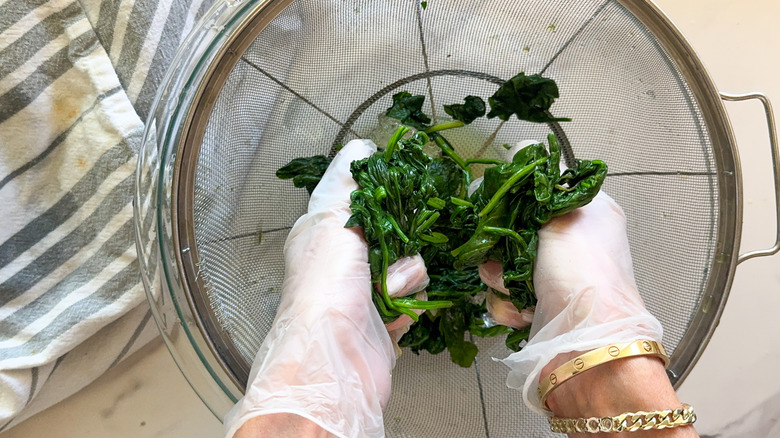
用手把菠菜分成一把把地緊緊擰乾,直到再也滴不出水分。
Step 8: Cut the spinach
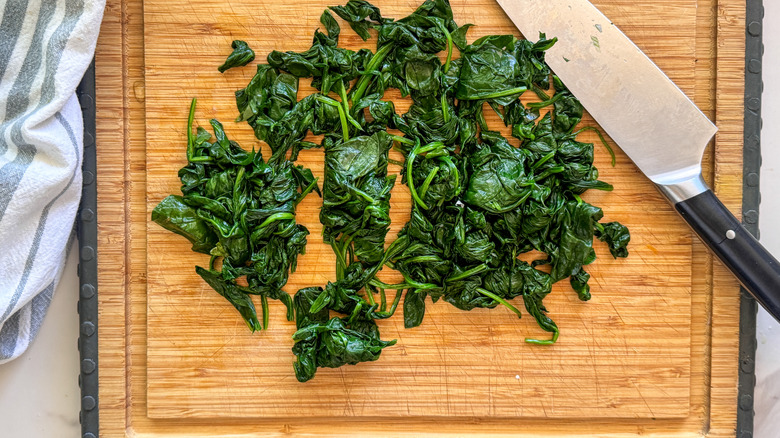
把菠菜切成約 2 英吋長度,並用手指鬆散結塊。
Step 9: Make the sauce
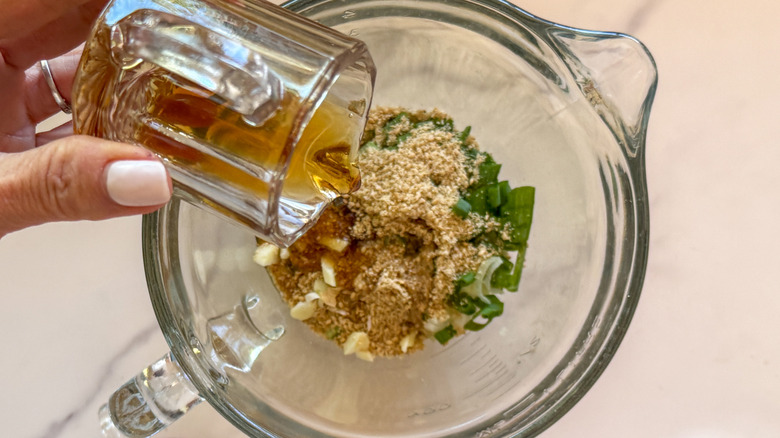
在小碗中攪拌研碎的芝麻、蒜末、醬油、香油、蔥花以及剩餘的鹽,直到混合均勻。
Step 10: Add sauce to the spinach
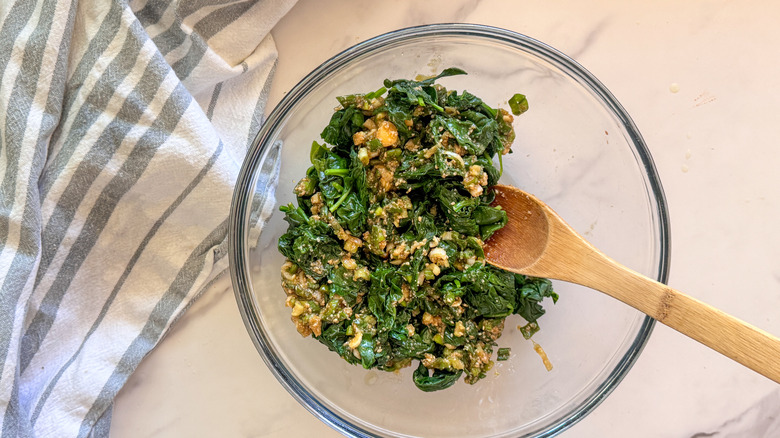
把醬汁拌入菠菜中,直到均勻裹覆。
Step 11: Add the sesame seeds and serve
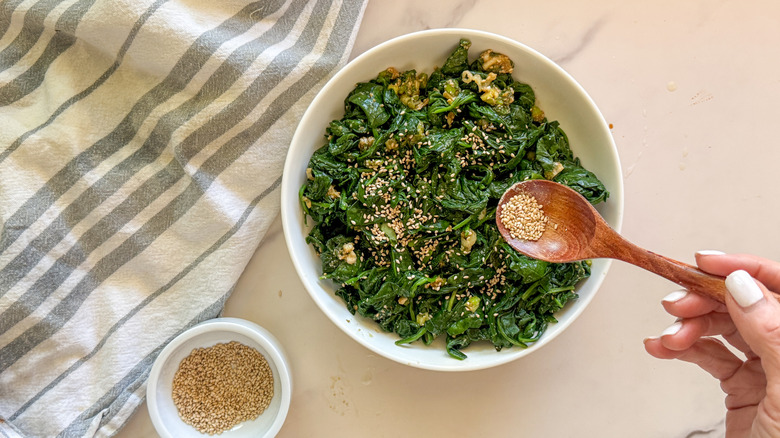
轉移到一個上桌盤中,上桌前撒上剩餘的芝麻籽即可。
What can I serve with Korean sesame spinach?
Simple Sigeumchi Namul (Korean Sesame Spinach) Recipe
For this versatile side dish, fresh, tender spinach is coated in a simple sauce of sesame seeds and sesame oil in our 15-minute Korean Sigeumchi namul recipe.
- 1 tablespoon + 1 teaspoon kosher salt
- 3 tablespoons white toasted sesame seeds, divided
- 2 bunches fresh spinach, root ends trimmed and washed well
- 2 garlic cloves, minced
- 1 tablespoon soy sauce
- 1 tablespoon toasted sesame oil
- 2 scallions, thinly sliced
- Bring a pot of water and 1 tablespoon of salt to a boil.
- Pulse 2 tablespoons of sesame seeds in a spice grinder in short bursts until coarse and sandy, stopping before they turn into a paste.
- Fill a large bowl with ice water and set it aside.
- Add the spinach to the boiling water, pushing it under, and cook for 30 to 45 seconds, just until the leaves wilt and turn bright green.
- Use tongs to move the spinach right away into the ice water, swirling until cold.
- Drain the spinach in a colander.
- Squeeze the spinach firmly by handfuls until no more water drips out.
- Cut the spinach into 2-inch lengths and loosen the clumps with your fingers.
- Stir the ground sesame seeds, garlic, soy sauce, sesame oil, scallions, and remaining salt together in a small bowl.
- Add the sauce to the spinach and toss until evenly coated.
- Transfer to a serving dish and sprinkle with the remaining sesame seeds before serving.
| Calories per Serving | 115 |
| Total Fat | 7.5 g |
| Saturated Fat | 1.1 g |
| Trans Fat | 0.0 g |
| Cholesterol | 0.0 mg |
| Total Carbohydrates | 9.0 g |
| Dietary Fiber | 4.8 g |
| Total Sugars | 0.9 g |
| Sodium | 449.2 mg |
| Protein | 6.6 g |
The information shown is Edamam’s estimate based on available ingredients and preparation. It should not be considered a substitute for a professional nutritionist’s advice.

How else can I use this Korean sesame spinach?
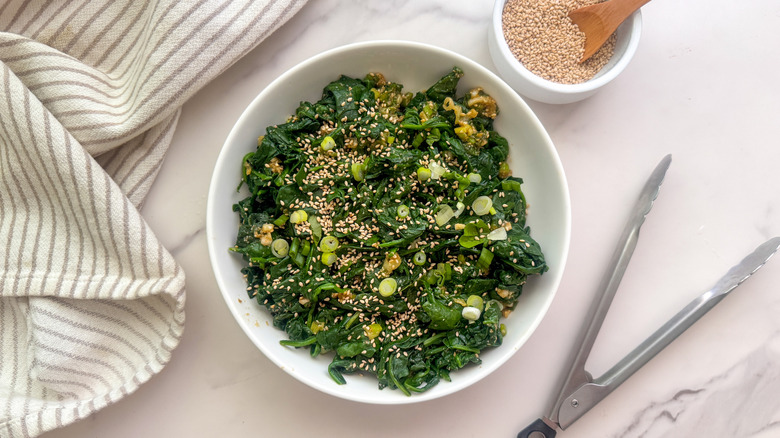
Sigeumchi namul 是一道多用途的菜餚,可以單獨享用,也可以混入其他餐點。它在拌飯(bibimbap)碗裡,與其他調味蔬菜、米飯和泡菜共同搭配得十分美味。你也可以把它捲入海苔片與米飯、醃漬蔬菜以及醃過的豆腐一起做成金針捲(kimbap)。把它拌入溫熱的蕎麥麵(soba)或烏冬麵(udon)中,再多些米醬油與香油調味,也是一種很棒的搭配。搭配成一份穀物碗(grain bowl),再配上糙米、剝殼毛豆、煎豆腐、帕瑪森起司、牛油果或藜麥、香菇、炸天貝、泡菜與碎胡蘿蔔,都是美味的選擇。把幾勺菠菜加入味增湯或熱的蔬菜高湯中,也能增添風味。
菠菜也可作為餃子(mandu)內餡的材料。把菠菜細切,與切碎的香菇、冬粉、碎豆腐混合。這道菠菜也很適合作為早餐的搭配,想嘗試的話,不妨用於蔬菜歐姆蛋或豆腐炒蛋,加入切碎的西葫蘆、洋蔥、甜椒與香菇一起拌炒。
What’s the difference between Korean sesame spinach and Japanese gomaae?
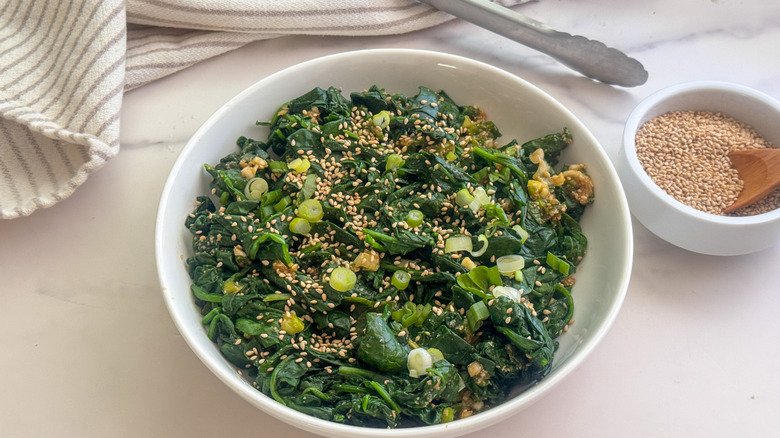
雖然韓式芝麻菠菜與日式 gomaae 都以菠菜為主料,但兩者之間仍有一些明顯差異。gomaae 的主角是芝麻,因此得名,goma 代表芝麻,ae 表示調拌過的樣子。在兩種做法中,芝麻籽都會研成糊狀以作為醬汁的黏稠基底,但 gomaae 通常會加入糖,某些版本還會加入柴魚高湯(dashi,常以鰹魚片製成)。由於 gomaae 使用的甜味,兩者最大的差異在於 sigeumchi namul 的風味偏向鹹香;gomaae 的口感通常較為濃厚、裹覆在菠菜上的醬料較厚,而 sigeumchi namul 的醬汁更輕盈、帶有光澤。
兩道菜的擺盤也是一個差異點。gomaae 通常會成束整齊呈現,端上桌時會被切段;而 sigeumchi namul 則較鬆散地舀在盤中,呈堆疊狀。兩者都是美味的副菜,適合搭配各種主菜。